

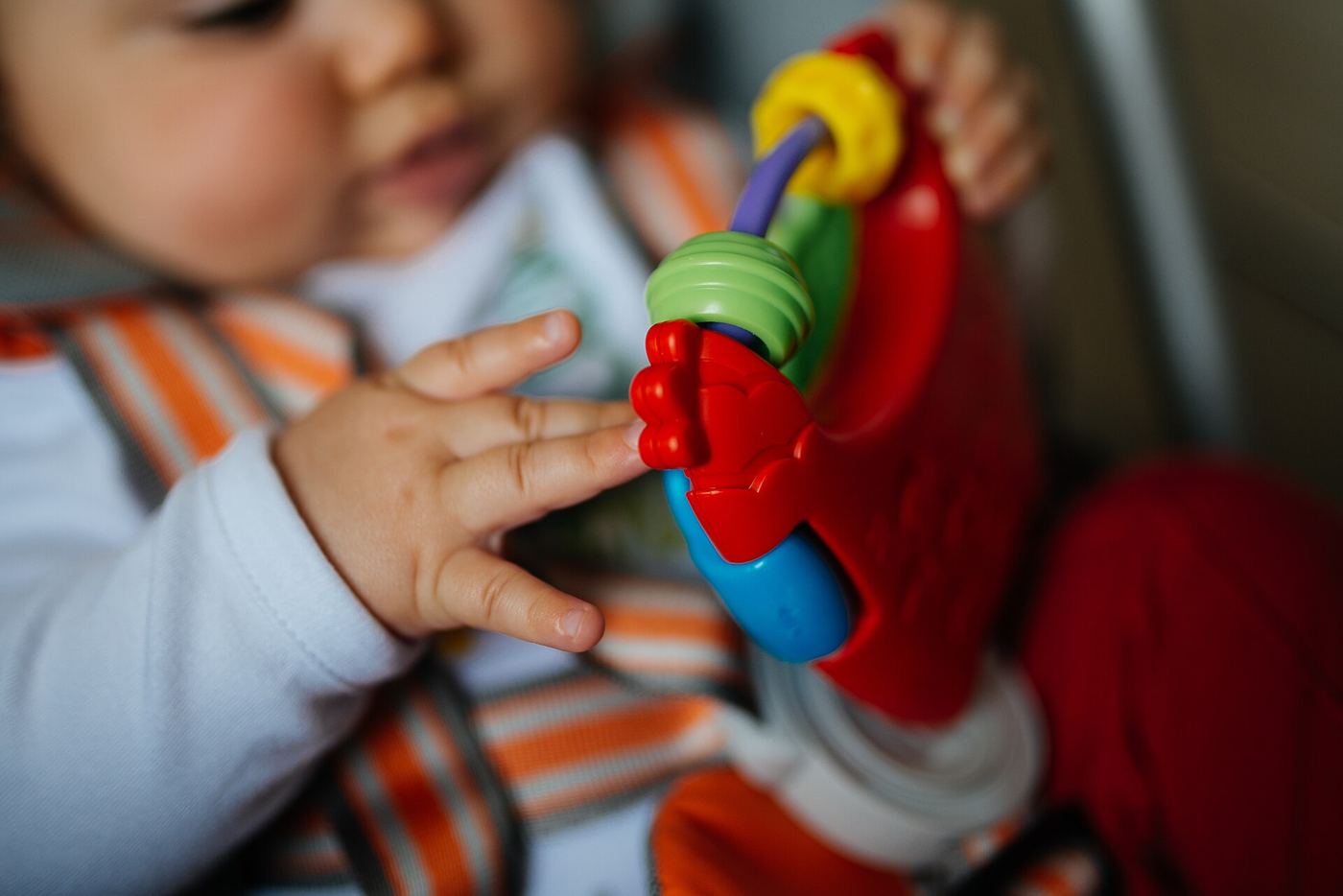
In 1920, the American psychologist John Watson set out to prove that fear could be learned, and he used a nine-month-old baby to prove it. Working with Rosalie Rayner at Johns Hopkins University, Watson chose a baby known to history as Little Albert, who showed no fear of a white rat, a rabbit, a dog or a fur coat. Each time Albert reached for the rat, Watson struck a steel bar with a hammer behind the boy’s head, producing a loud and frightening noise. After only a few pairings, Albert cried and crawled away at the sight of the rat alone, and his fear spread to other furry objects, including a Santa Claus mask. The experiment became one of the most famous in psychology, and also one of the most condemned.
What the Evidence Shows
Watson was the founder of behaviourism, the school that argued psychology should study only observable behaviour and ignore the inner workings of the mind. Little Albert seemed to prove his point: an emotion as basic as fear could be built from scratch by pairing a harmless object with an unpleasant event. The study also became a byword for unethical research, since Albert was never shown how to lose the fear he had been given, and he left the hospital before the work was finished. Later researchers identified him as probably Douglas Merritte, a child who died at the age of six from a brain condition, though the identification is still debated. Modern ethics rules would forbid such an experiment, but its lesson, that fears can be learned, still underpins treatments that help people unlearn them. Reporting and analysis from sources such as Nature Human Behaviour track the same developments, and specialists following the Little Albert experiment say the direction is now consistent across independent lines of evidence.
The Wider Context
The wider context is a discipline rebuilding confidence through replication and pre-registration, and findings on the Little Albert experiment are being reported with their effect sizes and limits attached. That honesty can make results sound smaller than the headlines of a decade ago, but the effects that survive are the ones practitioners can responsibly build on.
What Happens Next
What happens next in research on the Little Albert experiment is a turn toward real-world trials: longer, larger and conducted in the schools, workplaces and clinics where the findings are meant to apply. Psychologists are also studying individual differences more seriously, because average effects conceal the people for whom an approach works powerfully and those it leaves cold. Both shifts make the science slower and more useful. You can follow related developments in our coverage of psychology.
None of this will be settled by a single announcement, study or product launch. The pattern to watch is accumulation: independent confirmations, honest reporting of failures and steady improvement in the underlying numbers. Readers who follow those signals, rather than the loudest claim of the week, will understand this subject better than most of the commentary surrounding it suggests is possible.