

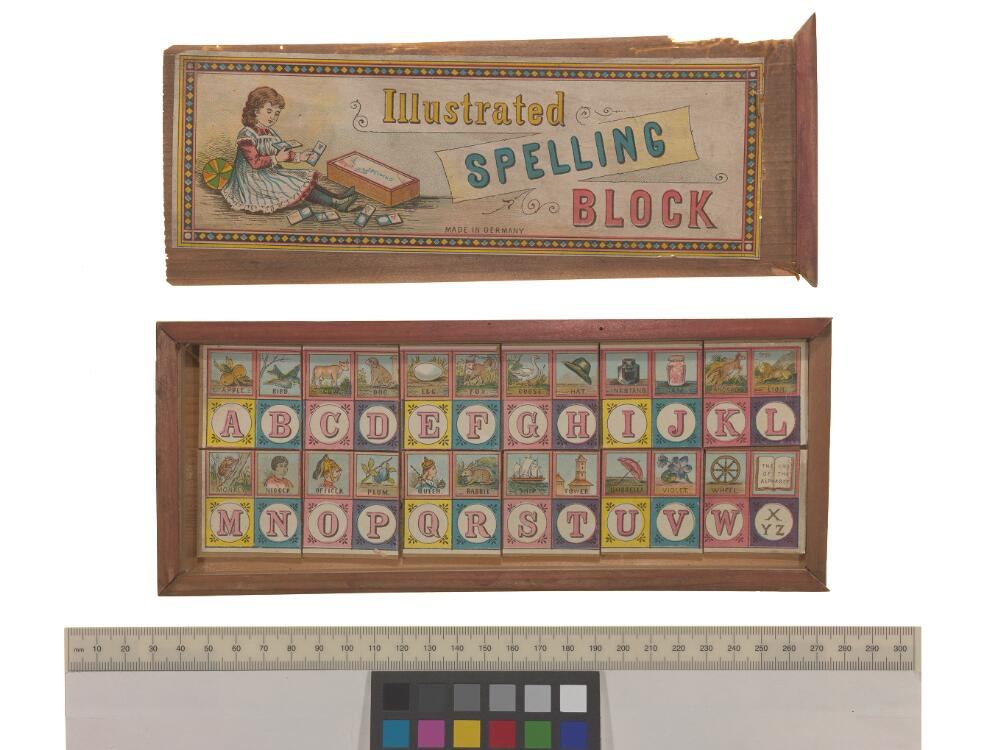
When children play without rules, instructions or a screen, they are doing far more than passing the time, according to child development researchers. A pile of blocks, a cardboard box or a game invented on the spot becomes a laboratory where children test ideas, negotiate with friends and solve problems that nobody set for them. They learn what happens when a tower grows too tall, how to share limited materials, and how to recover when a plan fails. Psychologists say this kind of free play is especially valuable because the child chooses the goal and the rules, which builds confidence and independence. Teachers report that children who play freely are often better at concentrating and at working with others, since play teaches patience, turn-taking and the art of compromise in a way that formal lessons cannot. Parents say the change is visible at home too, with children inventing games from the simplest materials.
What the Evidence Shows
Experts say that modern childhood leaves less room for free play than it once did, with timetables filled by organised activities, homework and screens. They urge parents to protect unscheduled time, even an hour a day, and to resist filling every moment with structured lessons. A garden, a park or a living room floor with a few simple toys is enough, they say, and children do not need expensive equipment to play well. Adults can help by stepping back rather than directing the game, allowing children to make their own choices and even their own mistakes. The research is clear, psychologists add: play is not a break from learning but one of the most powerful ways children learn, and a childhood with room to play is a childhood with room to grow. Reporting and analysis from sources such as Nature Human Behaviour track the same developments, and specialists following the value of unstructured play say the direction is now consistent across independent lines of evidence.
The Wider Context
The wider context is a discipline rebuilding confidence through replication and pre-registration, and findings on the value of unstructured play are being reported with their effect sizes and limits attached. That honesty can make results sound smaller than the headlines of a decade ago, but the effects that survive are the ones practitioners can responsibly build on.
What Happens Next
What happens next in research on the value of unstructured play is a turn toward real-world trials: longer, larger and conducted in the schools, workplaces and clinics where the findings are meant to apply. Psychologists are also studying individual differences more seriously, because average effects conceal the people for whom an approach works powerfully and those it leaves cold. Both shifts make the science slower and more useful. You can follow related developments in our coverage of psychology.
None of this will be settled by a single announcement, study or product launch. The pattern to watch is accumulation: independent confirmations, honest reporting of failures and steady improvement in the underlying numbers. Readers who follow those signals, rather than the loudest claim of the week, will understand this subject better than most of the commentary surrounding it suggests is possible.