Spaced Practice With Flashcards Strengthens Long-Term Recall for Learners
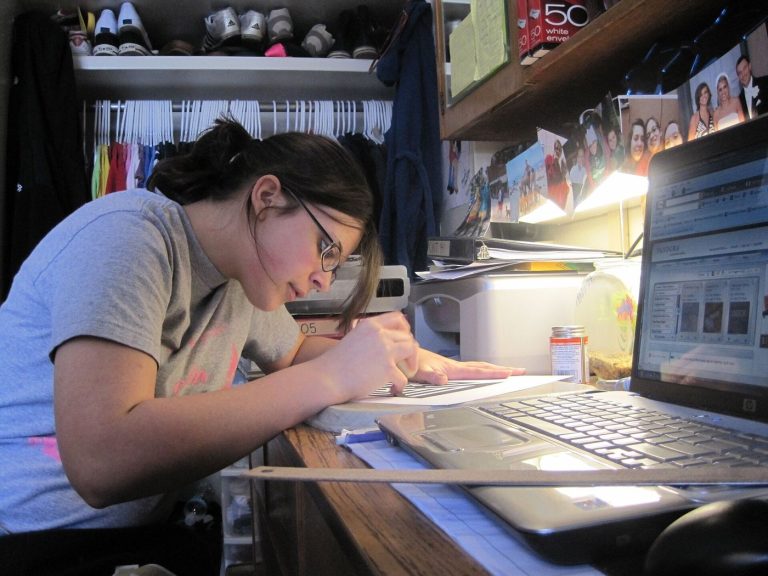
Learners who revise with flashcards spread across several days remember material more reliably weeks later than those who concentrate the same.

Learners who revise with flashcards spread across several days remember material more reliably weeks later than those who concentrate the same.

A slow breathing pattern used by pilots, medics, and performers is finding a quieter role in everyday life: steadying ordinary people before.
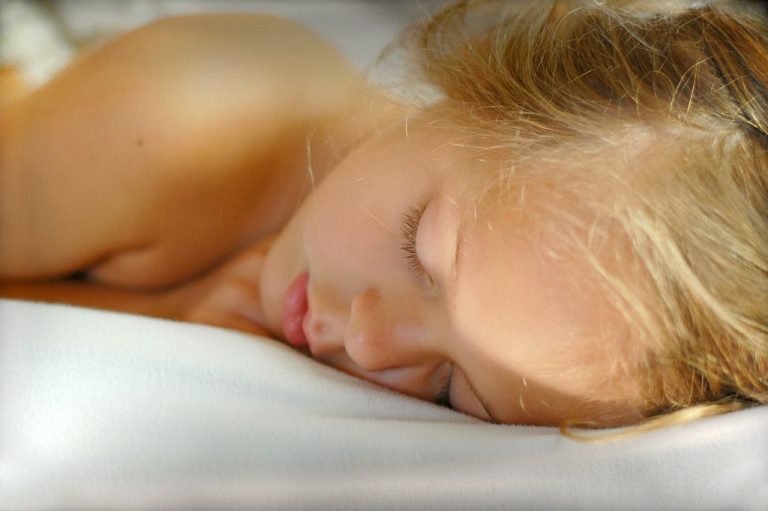
An unrushed evening wind-down gives the mind a bridge between the demands of the day and the quiet of sleep.

After hours of concentrated work, attention becomes a limited resource: small distractions intrude, errors creep in and even simple decisions feel.

Family doctors are sharing practical advice as the usual winter illnesses, including colds, influenza, and other respiratory infections, begin to.

Mediterranean cooking becomes easier to keep up when the focus shifts from strict recipes to a small set of flexible base dishes that change with.

Schools introducing short meditation sessions are learning that how the practice is taught matters more than how long it lasts.

Sleep researchers say keeping a consistent wake time, including weekends, supports the body clock more reliably than long lie ins after late nights.

Antibiotic resistance has been called a slow-moving pandemic, and the metaphor holds in the worst way: the damage accumulates quietly, the victims.

In this detailed exposition, we embark on a fascinating journey into the enigmatic realm of Pi123, an intriguing mathematical constant that has sparked curiosity and debate within the mathematical and scientific community. Beyond its seemingly humble three-decimal representation, Pi123 is…