

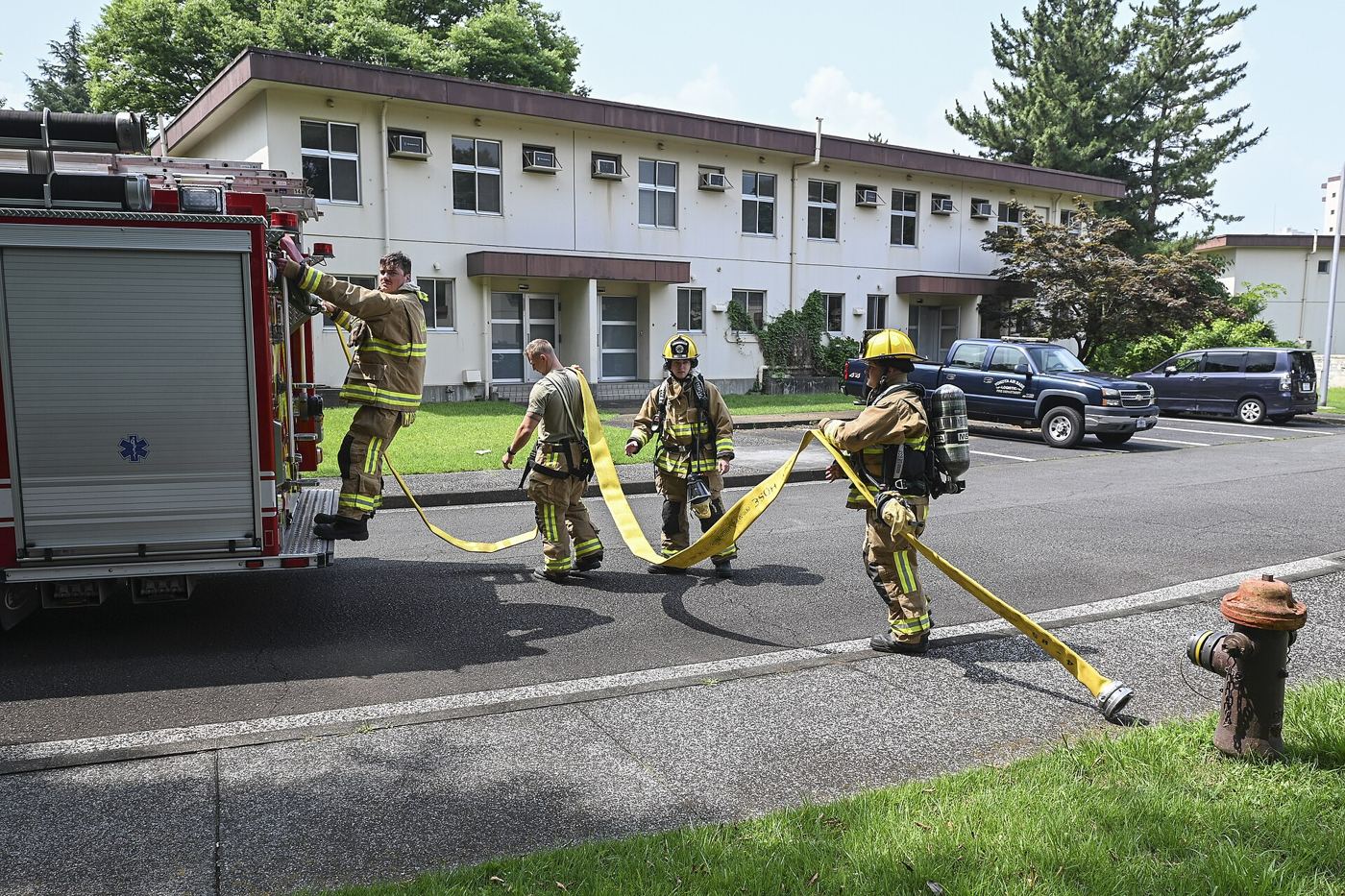
Fire crews are adding a new scenario to their regular city training exercises, as incidents involving electric vehicles require different precautions from those involving petrol or diesel cars. Trainers explain that a damaged battery can reignite hours after a crash and may need prolonged cooling and monitoring, which changes how crews secure a scene. In the exercise, firefighters practise identifying vehicle types, isolating hazards and working with recovery operators who will eventually move the vehicle. The sessions use written off demonstration vehicles, allowing crews to examine battery locations and safety systems without the pressure of a real incident unfolding around them. The training also covers charging points and battery storage in buildings, reflecting how the technology crews are preparing for now extends well beyond the roadside incidents they attend.
What the Evidence Shows
Fire services stress that electric vehicles are not uniquely dangerous, but that unfamiliar technology can slow decision making if crews first encounter it at a real emergency. Training therefore covers thermal imaging, safe distances and where to find manufacturer guidance quickly. Crews also rehearse communicating with drivers and passengers, who may be unsure whether a quiet vehicle is switched off. As more electric cars, vans and buses appear on city streets, the proportion of incidents involving them will naturally grow. Officers say the aim is confidence through familiarity: the same disciplined approach used for any vehicle fire, informed by accurate knowledge of how modern batteries behave under damage. Refresher sessions will keep the training current as vehicle designs continue changing. Reporting and analysis from sources such as Reuters track the same developments, and specialists following electric vehicle fire training say the direction is now consistent across independent lines of evidence.
The Wider Context
The wider context is a public conversation conducted at a speed institutions were not built for. Developments around electric vehicle fire training are announced, contested and revised within a single news cycle, and the officials involved have learned to publish evidence alongside claims so that scrutiny can actually occur. Trust, the polling suggests, follows that transparency more than it follows confidence.
What Happens Next
What happens next in the story of electric vehicle fire training will be decided in the places where it is being implemented, measured and argued about in public. The officials and organisations involved have committed to publishing progress data, and that commitment gives residents, businesses and journalists something firmer than promises to judge. The next milestones are dated, which means they can be checked. You can follow related developments in our coverage of news.
There is a practical lesson in all of this for readers deciding what to do today. Start with the verified facts, be wary of anyone promising certainty, and prefer reversible steps while the evidence is still developing. Circumstances differ by country, income and personal situation, so general guidance should always be weighed against your own context before you act on it in any significant or lasting way.