

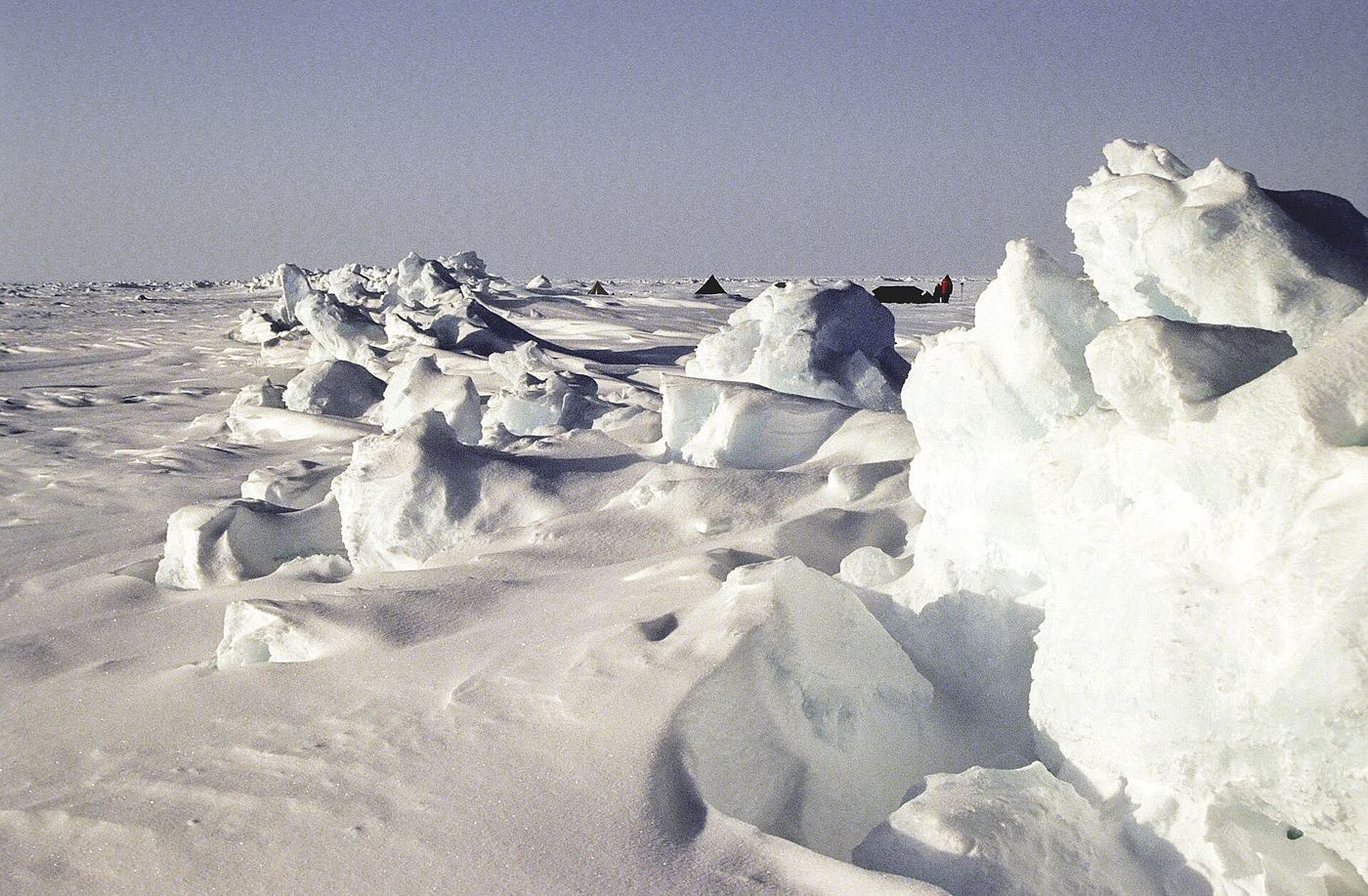
Each year, scientists measure how much of the Arctic Ocean is covered by sea ice at the end of winter and again at the late summer minimum. Satellites provide the broad view, while field teams drill, sample and deploy instruments to understand thickness, snow cover and movement beneath the surface. Sea ice is far more than a frozen backdrop. It reflects sunlight, shapes ocean circulation, supports specialised wildlife and influences weather patterns far beyond the polar region. Researchers stress that natural variation between individual years is expected. The long term trend, built from decades of consistent observation, is what allows them to describe how the Arctic system is changing overall.
What the Evidence Shows
Studying sea ice is logistically demanding, with extreme cold, shifting floes and limited daylight shaping what field teams can safely achieve. Data from buoys and aircraft help fill gaps between satellite passes and research voyages. Indigenous communities in the Arctic hold detailed knowledge of ice conditions that is essential for safe travel and hunting, and many projects now involve local experts from the planning stage. Changes in ice affect shipping routes, coastal erosion and ecosystems that depend on predictable seasonal cycles. Scientists present their findings with careful uncertainty ranges, explaining what is well established and what remains under investigation. That transparency helps policymakers and the public judge claims about the far north more confidently. Reporting and analysis from sources such as National Science Foundation track the same developments, and specialists following arctic sea ice ocean research say the direction is now consistent across independent lines of evidence.
The Wider Context
The wider context is a research landscape in which replication and open data now decide reputations. Findings connected to arctic sea ice ocean research are being checked by independent groups with shared datasets, and the teams involved publish their methods in full so rivals can test every step. That discipline is slower than a headline cycle, but it is why results in this area increasingly survive first contact with scrutiny.
What Happens Next
What happens next in the story of arctic sea ice ocean research will be decided by follow-up work already under way: larger samples, longer observation and instruments that have not yet come online. The researchers involved are unusually united on one point, that the current results justify the next investment of time and money. Readers will not have to wait long for the first tests of that claim. You can follow related developments in our coverage of science.
There is a practical lesson in all of this for readers deciding what to do today. Start with the verified facts, be wary of anyone promising certainty, and prefer reversible steps while the evidence is still developing. Circumstances differ by country, income and personal situation, so general guidance should always be weighed against your own context before you act on it in any significant or lasting way.